Why May 2026 Marked a Key Entry Point for Queensland Property Investment
11 Feb 2026

Why May 2026 Marked a Key Entry Point for Queensland Property Investment
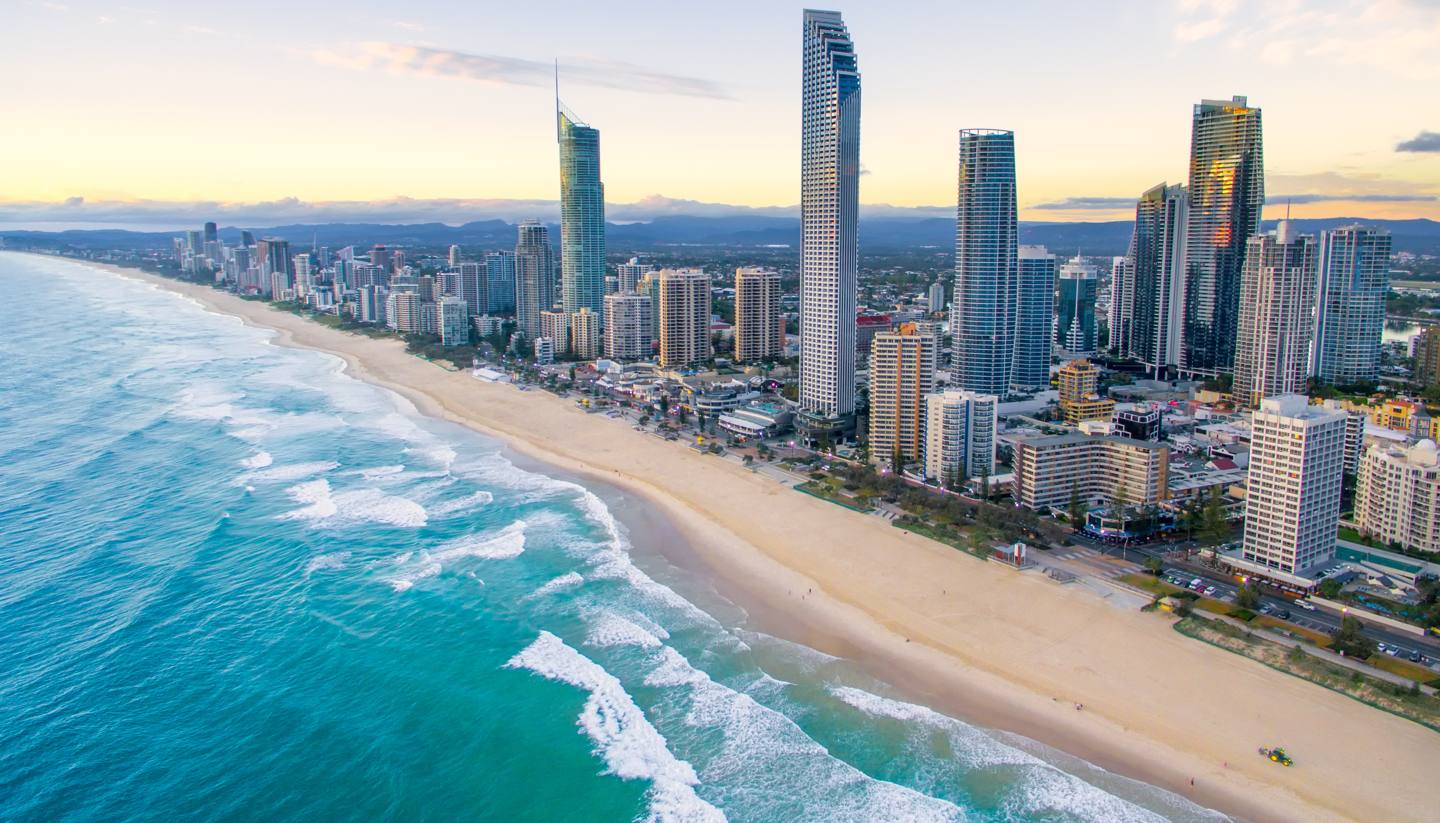
As of May 2026, Queensland continued to dominate national search trends for property investment, with strong interest focused on Brisbane, the Gold Coast, and high-growth regional corridors. Market conditions remained undersupplied, with housing stock levels constrained and vacancy rates holding near historic lows. This ongoing imbalance sustained upward pressure on both property values and rental returns, reinforcing Queensland’s position as a high-demand investment market. Buyer activity showed signs of stabilisation following earlier hesitation, indicating renewed confidence despite broader economic pressures. At Signature Capital, May 2026 represented a pivotal moment where investors could still secure assets in a growth cycle that had not yet fully peaked.

Interest Rate Momentum in May 2026 & Strategic Buyer Advantage
By May 2026, interest rates had increased again following the previous month’s rise, reinforcing a higher-rate environment across the lending market. This continued upward movement impacted borrowing capacity and kept some buyers on the sidelines. However, for informed investors, this created a strategic advantage. With reduced competition and more cautious market sentiment, opportunities emerged to negotiate favourable purchase terms and access quality properties without aggressive bidding conditions. Importantly, Queensland’s underlying fundamentals remained intact—driven by interstate migration, infrastructure spending, and employment growth—supporting long-term investment confidence. Signature Capital identified this period as a calculated entry phase, where disciplined investors could act ahead of the next wave of market acceleration.
Fuel Pressures, Cost-of-Living Trends & Long-Term Investment Stability
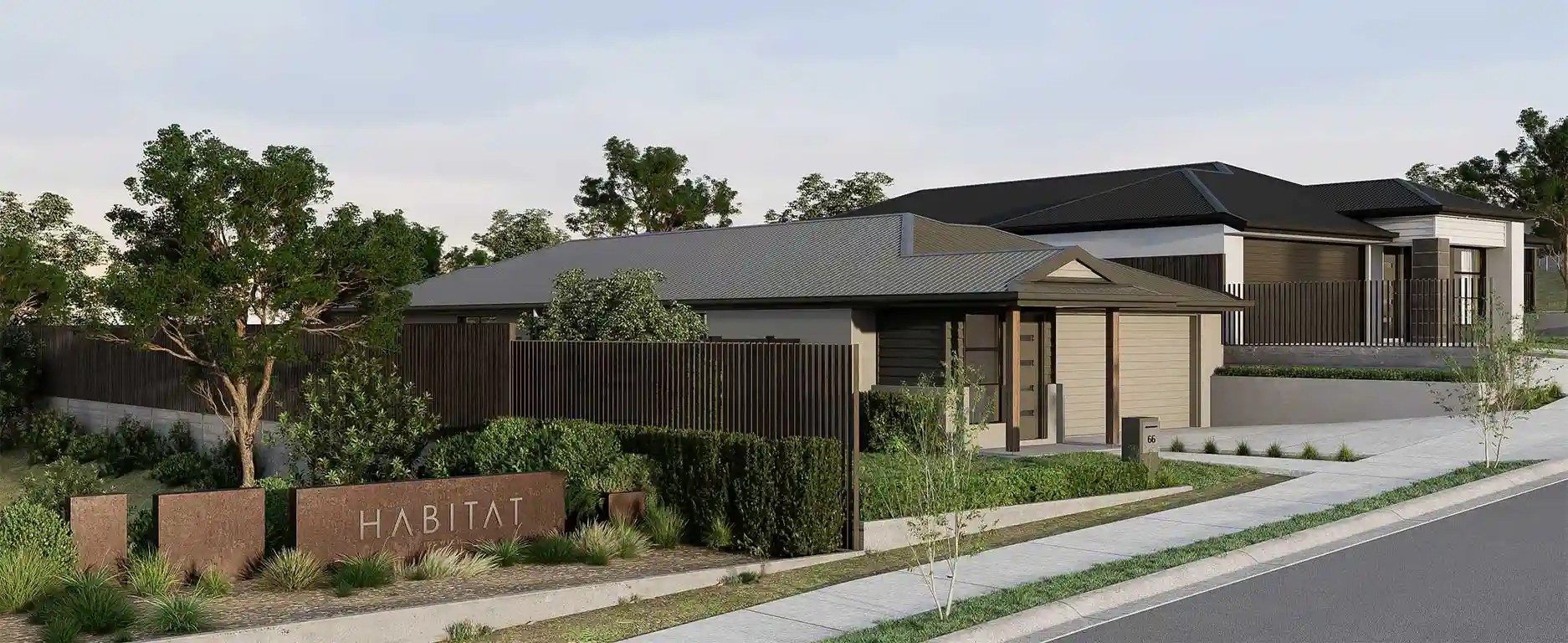
In May 2026, the fuel crisis and rising cost of living continued to influence both tenant behaviour and investment strategy. Higher fuel prices were reinforcing demand for properties located near employment hubs, transport networks, and essential amenities, reducing reliance on long-distance commuting. At the same time, elevated construction costs and ongoing supply constraints limited new housing availability, tightening rental markets further. This environment strengthened rental yields and increased reliance on the private rental sector as affordability challenges persisted. For investors, property remained a tangible and resilient asset class—offering income generation and a hedge against inflation. Signature Capital continued to guide clients toward opportunities aligned with these macroeconomic shifts, ensuring portfolios were positioned for both stability and growth in a higher-cost environment.
Final Thought
The Queensland property market throughout early 2026 has reinforced a consistent pattern: periods of economic pressure—rising interest rates, fuel costs, and cost-of-living increases—do not eliminate opportunity, they reshape it. For investors aligned with Signature Capital, this environment presents a calculated entry point where reduced competition, strong rental demand, and limited supply converge to support both income and long-term capital growth. Rather than waiting for market certainty, which typically coincides with higher prices and increased competition, disciplined investors recognise that acting during transitional phases positions them ahead of the cycle, securing assets that are likely to benefit from continued demand and structural undersupply across Queensland.


Michael Barkho
Why So Many Investors Are Turning to Queensland Right Now?
Queensland Property
05 April' 26
Michael Barkho
Why March Is a Smart Time to Invest in Queensland Property A More Balanced Market Creates Opportunity
Queensland Property
03 Oct' 25

Michael Barkho
Why April 2026 Presented a Strategic Opportunity in Queensland Property
Finances
03 Oct' 25

Contact
Queenslands Licence Number 4933583
Business Licensing Authority 083683L